Tree Inspections Newbury: Clear, Practical Advice
If you need a clear assessment of a tree in your garden, grounds or on your site, our experienced team can help with practical advice. A tree inspection starts with a careful check of the trunk, branches, crown, roots and surrounding ground.
Our tree surgeons look for signs of damage, decay, disease, weak growth and movement that could affect safety or long-term health. We also consider nearby buildings, paths, roads and fences.
After the inspection we explain what we found and recommend suitable next steps, which may include monitoring, pruning, further checks or tree work where it is needed.
Signs a Tree Needs Inspecting
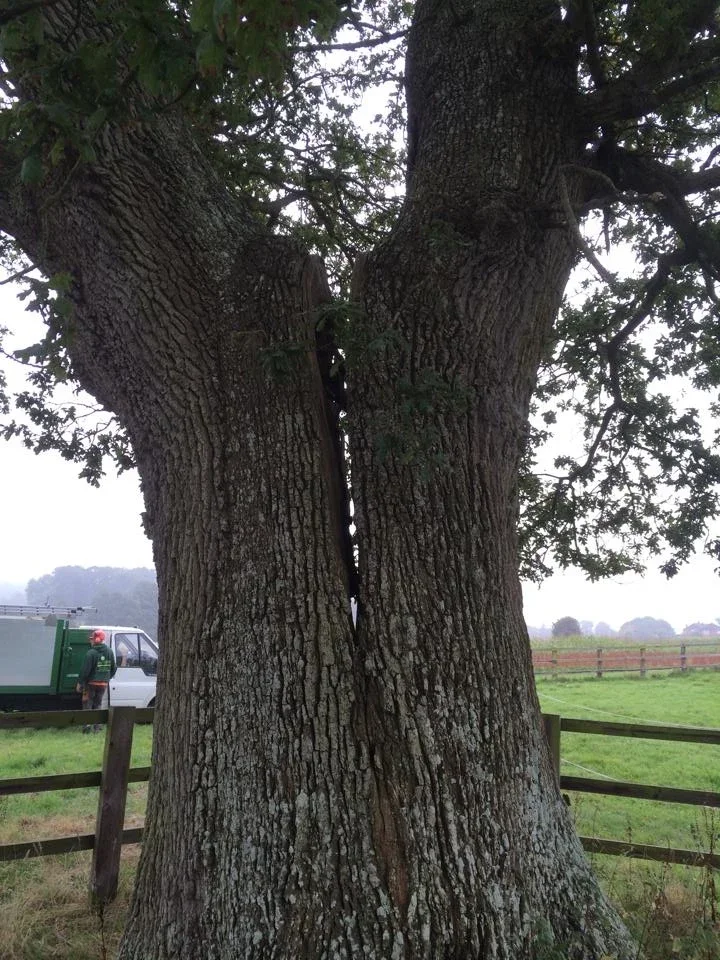
Trees can show poor health or weakness in several ways. Look for dead or hanging branches, cracks in the trunk, damaged bark, unusual leaning, exposed roots, or movement in the ground around the base.
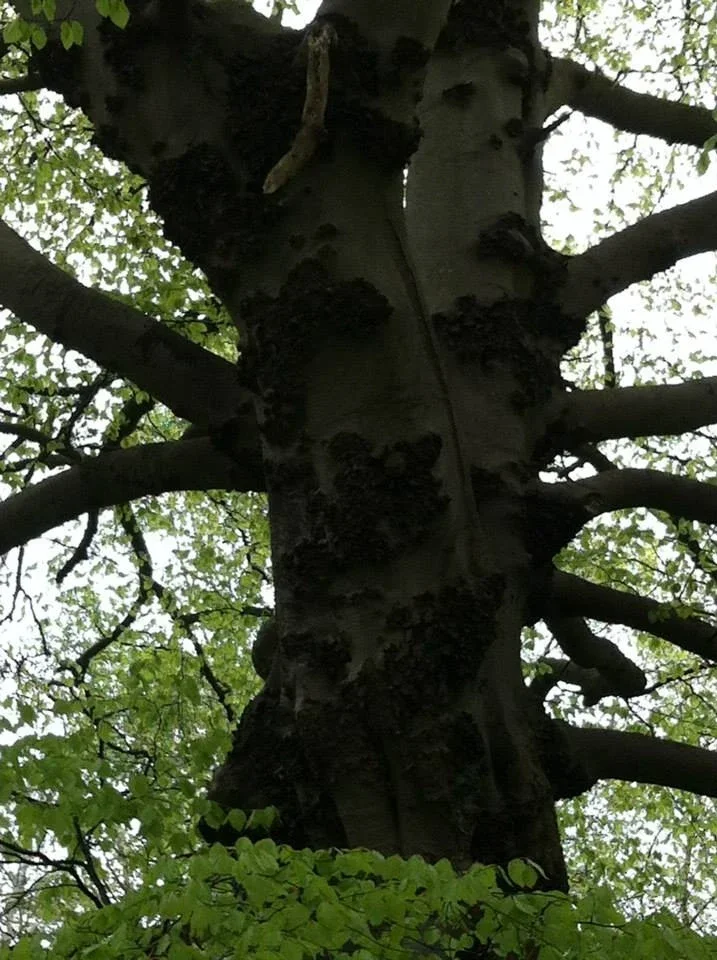
Fungus, cavities, sudden leaf loss, thinning growth and broken branches can also point to problems. Some issues are hard to judge from the ground, especially in larger or older trees, so an inspection can explain the level of risk and help you decide whether any action is needed.
Visual Tree Inspection
A visual inspection checks the tree from ground level for damage, disease, decay or weakness, including the trunk, branches, crown and roots.
We explain any concerns and advise whether monitoring, pruning or further checks may suit the tree.
Tree Health Check
A health check looks for signs that a tree is stressed, diseased or declining, including leaf growth, branch condition, bark, roots and the shape of the crown.
We look for fungus, cavities and other warning signs to help you understand the tree's condition.
Safety Assessment
A safety assessment focuses on features that could increase the chance of a branch or tree failing, such as cracks, deadwood, weak unions, leaning and root movement.
We also consider what is beneath or around the tree, including homes, paths and roads.
Storm Damage Inspection
After strong winds we check for broken or hanging branches, cracks, movement at the base, damaged roots and changes in lean.
We assess the areas that could be affected, and whether pruning, monitoring or other work should be arranged.
Tree Condition Advice
We explain what we find during an inspection and what it may mean for the tree, in clear terms.
Where action is needed we recommend suitable next steps, giving you a plan for managing the tree safely over time.
Follow-up Recommendations
Our recommendations are based on the tree's condition, location and any concerns we found, and may include routine monitoring, pruning or deadwood removal.
Where no action is needed now, we explain what signs to watch for in future.
Detailed Tree Condition Inspections
A detailed inspection looks closely at visible signs of weakness, damage, decay and disease. We check the trunk, crown, branches, roots and surrounding ground, and consider the tree's age, position and exposure to weather.
Regular inspections can help spot developing problems earlier and support better long-term tree care.
Book a Tree Inspection
A tree inspection gives you a clearer picture of a tree's health, condition and any visible safety concerns. It can be useful after storms, when a tree changes suddenly, or when you simply want reassurance about trees near your home, garden or site.
Our tree surgeons inspect the tree carefully and consider its surroundings before explaining any concerns in plain terms. Contact our team to arrange tree inspections in Newbury, Donnington or Thatcham.
Our tree surgery services
Emergency Tree Removal
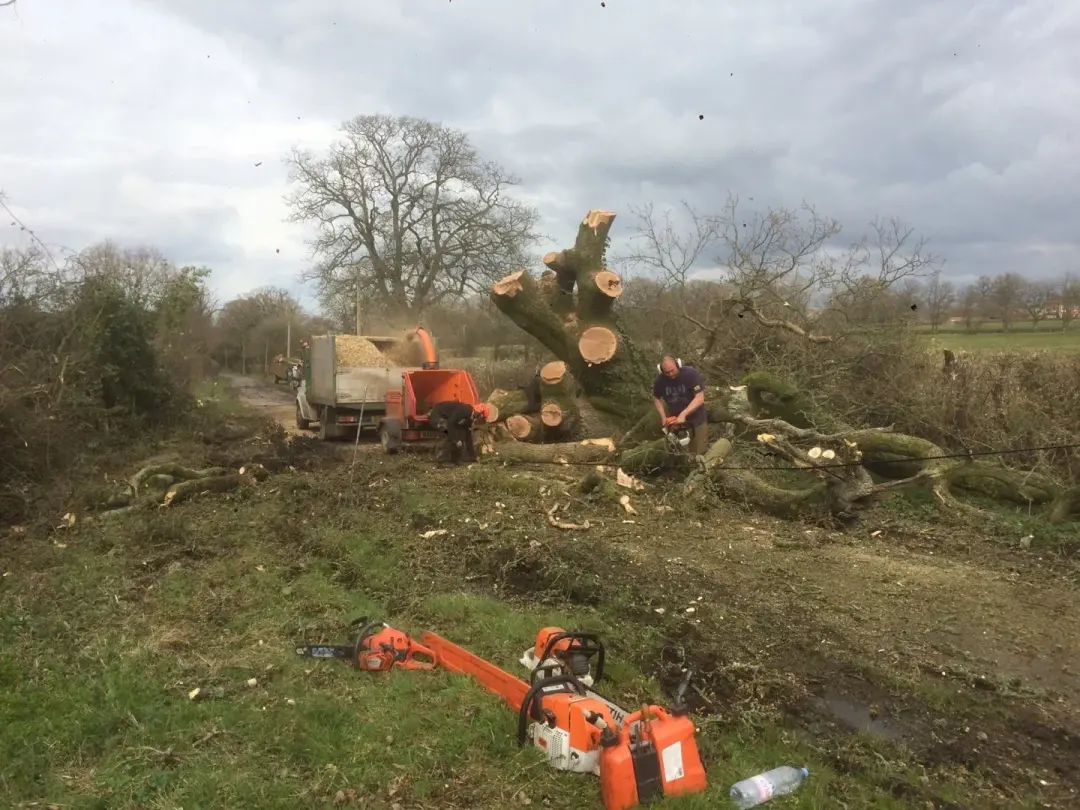
Storm damage, fallen trees and dangerous branches dealt with safely. We make the area safe first, then take the tree down in controlled sections and clear the site.
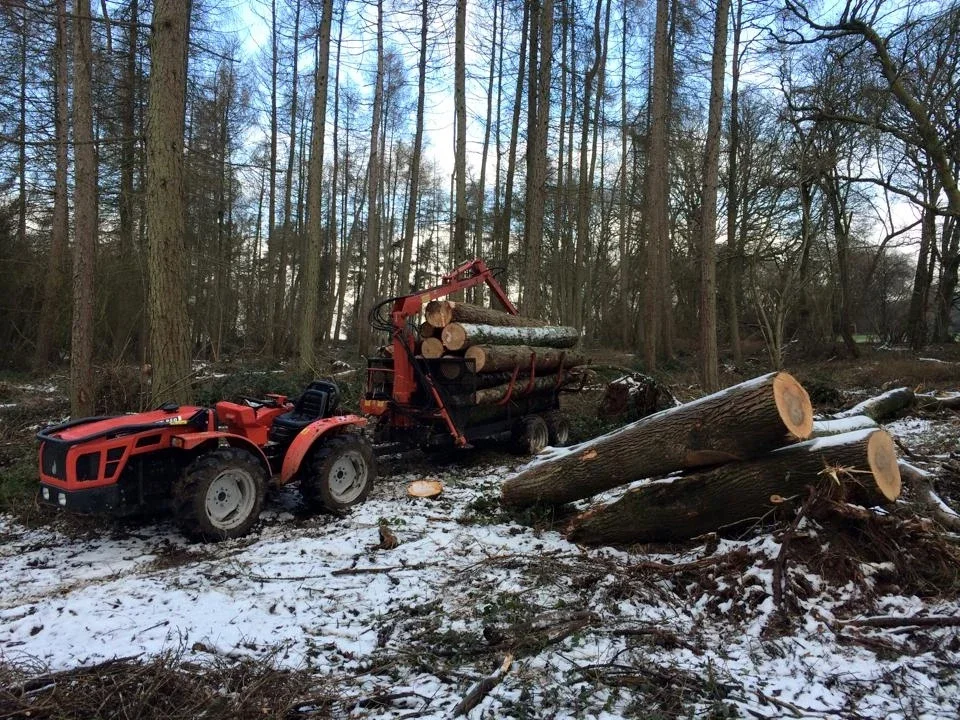
Woodland Management
Thinning, planting, coppicing and invasive species control to keep woodland healthy and sustainable, planned around what you want from the site.
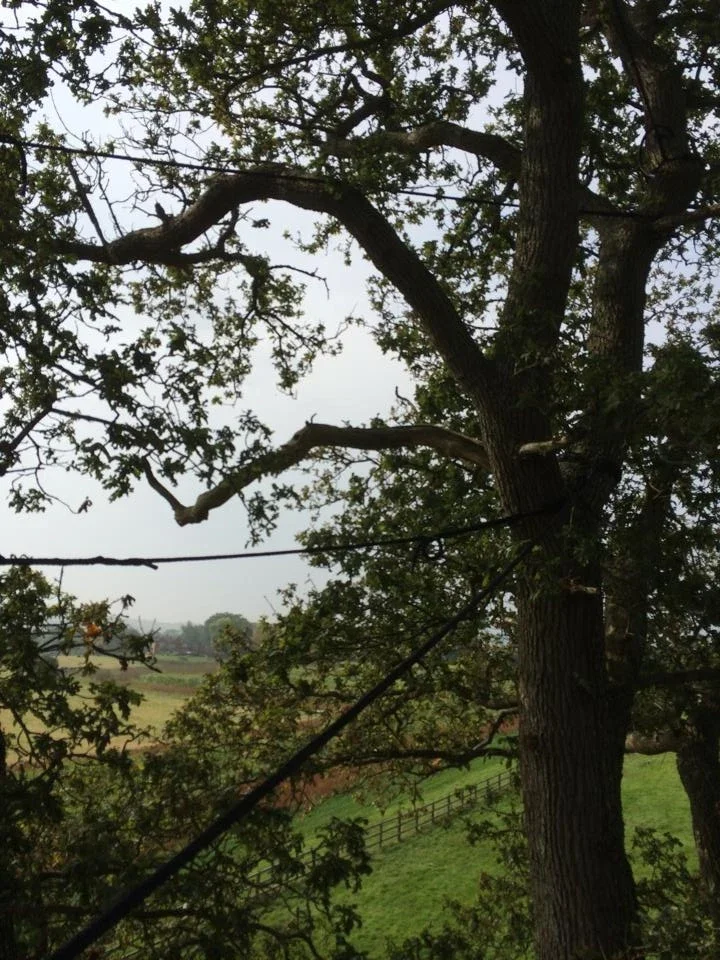
Tree Health Inspections
A careful check of the trunk, crown, roots and surroundings, so you know the condition of a tree and what, if anything, needs doing.